262-250-7566
 Request a quote
News & insights.
What we’re learning, what we’re seeing, and the occasional story from the floor: packaging trends, supply-chain notes, and compliance updates we wish we’d known sooner.

What Materials Are Buckets & Pails Available In?

Table of Contents
The bucket vs. pail question is mostly about terminology. The decision that matters more is what the container is made of, and that comes down to your product, not the container itself.
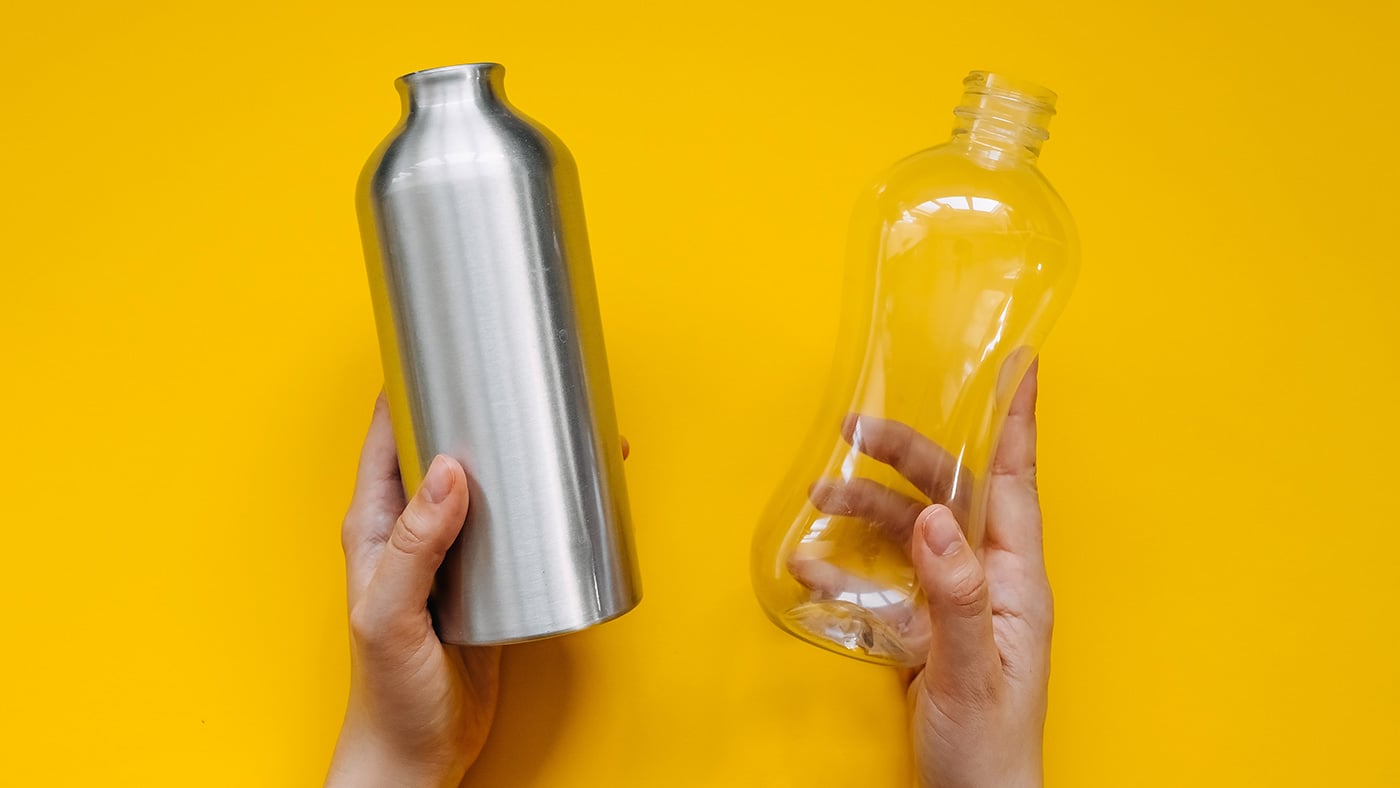
In most cases, buckets and pails come in one of two materials: plastic, usually high-density polyethylene (HDPE), or metal, usually steel with or without an interior lining. Plastic is lightweight, rust-proof, and resistant to many water-based chemicals. Metal offers more rigidity, heat tolerance, and compatibility with some solvents. Your product's chemistry and how the pail will be handled usually decide which one fits.
This guide explains what each material does well, where each fall short, and how to pick the right one. If you're still sorting out terminology, see our guide to Bucket vs. Pail: What's the Difference?
Plastic vs. Metal: What Each Material Actually Offers?
Both materials hold product securely, but they behave very differently once chemistry, heat, and handling come into play.
Plastic buckets are molded from HDPE, marked with resin code #2 on the bottom. They won't rust, they absorb impacts, and they weigh less, which lowers freight costs. They're a strong fit for latex paints, cleaners, detergents, and food products in food-grade HDPE. Their limits: some solvents can soften or permeate plastic, HDPE softens with heat, and sunlight makes it brittle over time.
Metal buckets are made from steel. They hold their shape under heavy loads, resist puncture, tolerate heat, and work well with oil-based paints, coatings, inks, and adhesives that can challenge plastic. Their limits are weight and rust: bare steel corrodes when it meets water-based, acidic, or salty contents.
| Material | Best For | Watch Out For |
|---|---|---|
| Plastic (HDPE) | Water-based products, food, damp storage | Some solvents, heat, UV exposure |
| Unlined steel | Oil- and solvent-based products, heat | Water-based contents, moisture |
| Lined steel | Water-based, acidic, or food products needing steel | Chipped or scratched linings |
Lined vs. Unlined Steel: Why It Matters
A lining is what makes steel work for products that would otherwise corrode it.
An unlined steel pail is fine for many oil-and solvent-based products. A lined pail has an interior coating that keeps the product from touching bare steel, which protects the pail from rust and protects your product from picking up rust or a metallic taste. Food-contact metal pails use linings that meet FDA food-contact requirements.
How to Choose the Right Material for Your Product
Start with your product's Safety Data Sheet. Water-based products usually point to plastic or lined steel, and solvent-based products usually point to steel.
Then factor in the rest of the pail's life: whether it holds food, whether it needs a UN rating for hazardous materials, how hot it's filled or stored, and whether it will sit in a damp or outdoor space. Once the material is set, choose your lid style and any pail accessories such as spouts or caps.
Not sure which material fits? Tell our team what you're filling and how it ships, and we'll recommend the right pail, lining, and lid.
FAQs
Are Plastic or Metal Pails Better?
Neither is better across the board. Plastic is the stronger choice for water-based products, food, and damp storage. Steel is the stronger choice for solvent-based products, heat, and heavy stacking. Your product's chemistry usually decides.
Can I Store Solvents In a Plastic Pail?
Sometimes. HDPE handles many chemicals, but some solvents, fuels, and strong oxidizers can soften, swell, or permeate it over time. Check your product's Safety Data Sheet and test a sample before a full run or choose a steel pail.
Do Metal Pails Rust?
Bare steel can rust when it meets water-based, acidic, or salty contents, or moisture on the outside. Linings and exterior coatings prevent this. Store metal pails dry and off the floor and watch for scratches or dents in the coating.
Which Pail Material is Food-Safe?
Both can be. Food-grade HDPE pails are made from FDA-compliant resins, and food-contact steel pails use linings that meet FDA food-contact requirements. The lid and gasket must be food-grade too.
Are Plastic and Metal Pails Recyclable?
Yes. Plastic pails are usually HDPE (#2), one of the most widely recycled plastics, and metal pails are steel. Both should be empty and clean, and local programs vary, especially for large pails or ones that held hazardous materials.