262-250-7566
 Request a quote
News & insights.
What we’re learning, what we’re seeing, and the occasional story from the floor: packaging trends, supply-chain notes, and compliance updates we wish we’d known sooner.
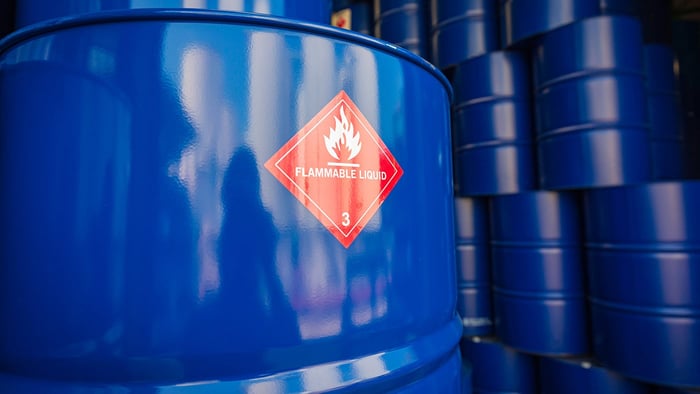
Metal Containers Certifications: What UN Ratings and DOT Approvals Actually Mean

Table of Contents
If you're shipping chemicals, solvents, or other regulated liquids, the markings stamped on a metal containers aren't decorative. Here's what they certify, and why it matters.
If you've ever looked closely at a metal drum or pail and noticed a stamped code near the bottom, that marking is not just a manufacturing stamp. It's a certification that tells you, and any regulator who checks, exactly what that metal containers are rated to carry and how it performed under testing. Understanding what those codes mean can save you from a compliance problem, a failed shipment, or worse. If you don't already have one, our guide on How to Write a Packaging Specification walks through exactly what to include.
What a UN Rating Actually Certifies
A UN rating means the metal container has been tested and approved under United Nations standards for shipping hazardous materials. The tests behind that rating include drop tests from specific heights, stacking tests to confirm the container can bear weight without failing, and pressure tests to check how the container holds up under internal pressure changes. A metal container only earns its UN marking after passing these tests for the specific packing group it's rated for.
Reading the Code
UN markings follow a standardized format, and each segment tells you something specific: the container type and material, the packing group it's approved for (which corresponds to the hazard level of the contents), whether it's rated for solids or liquids, and the maximum gross mass or specific gravity it was tested against. A metal container rated for a low-hazard packing group is not automatically safe for a more hazardous one, even if the container looks identical.
What DOT Approval Adds
In the United States, the Department of Transportation enforces its own hazmat shipping regulations, which incorporate UN performance standards but add requirements specific to US transport, including labeling, documentation, and how the metal container must be filled and closed for shipment. A container can be UN rated and still need to meet additional DOT requirements before it's legally cleared to ship a given product domestically.
Why This Matters Beyond Compliance
These ratings exist because a container failure during shipping isn't just a compliance issue. It's a safety issue for the people handling the shipment and for anyone near it in transit. Using a metal container that isn't properly rated for your product, even if it seems physically similar to one that is, puts that safety margin at risk.
What to Check Before You Ship
Confirm the packing group on the metal container matches or exceeds the hazard classification of what you're shipping. Verify the container hasn't exceeded any reuse limits specified for its rating, since some UN-rated containers are single use only. And make sure your filling, sealing, and labeling practices match what the certification assumes, since a properly rated metal container filled or sealed incorrectly can still result in a non-compliant shipment.
The Bottom Line
UN ratings and DOT approvals aren't bureaucratic formalities. They're the result of real physical testing that tells you whether a metal container can do its job under the stress of real-world shipping. If you're moving regulated liquids or solids, take the time to confirm your metal container's certification matches your product, not just its general category.
FAQs
What Does a UN Rating on a Metal Container Actually Test?
A UN rating certifies that a container passed standardized tests for drop impact, stacking weight, and internal pressure, confirming it can perform under the stress of real shipping conditions for its approved hazard level.
Is an UN-Rated Container Automatically DOT Approved?
Not necessarily. DOT approval incorporates UN performance standards but adds US-specific requirements around labeling, documentation, and how the container must be filled and closed, so both need to be confirmed separately.
Can I Reuse an UN-Rated Metal Drum for a Different Product?
Only if the new product's hazard classification matches or falls within the container's certified packing group, and some UN-rated containers are restricted to single use regardless of contents.
What Happens If I Ship in a Container That Isn't Properly Rated?
Beyond compliance violations and potential fines, an improperly rated container puts the safety of everyone handling the shipment at risk, since it hasn't been tested to withstand the conditions of transport.
Where Do I Find the UN Rating Code on a Container?
It's typically stamped near the base of the drum or pail, and reading it correctly tells you the container type, material, approved packing group, and whether it's rated for solids or liquids.