262-250-7566
 Request a quote
News & insights.
What we’re learning, what we’re seeing, and the occasional story from the floor: packaging trends, supply-chain notes, and compliance updates we wish we’d known sooner.

Are Metal Containers More Sustainable Than Plastic?

Table of Contents
In many cases, yes, largely because of how easily and repeatedly metal containers can be recycled. But the full picture depends on the product, the metal, and how the container is used.
This guide explains the core benefits of metal cans for packaging, covers the container types available, and helps buyers identify the right material for their product. If you want broader context on choosing between container materials generally, see our guide to Complete Guide to Rigid Packaging.
Sustainability comparisons between packaging materials rarely have a simple answer, and metal versus is no exception. Metal has real advantages when it comes to recyclability, but the full environmental picture depends on how the container is made, used, and disposed of.
Metal's Biggest Advantage: Infinite Recyclability
Aluminum and steel can be recycled repeatedly without losing strength or quality, which is not true of most plastics. Plastic typically degrades with each recycling cycle, limiting how many times it can be reused before the material is no longer viable for its original purpose. Metal does not have that ceiling, which is why recycling rates for steel and aluminum packaging are consistently higher than for most plastics.
Recycling Infrastructure Matters
Metal packaging benefits from recycling infrastructure that is more mature and more widely available than plastic recycling in many regions. Steel and aluminum are valuable enough as scrap that recycling programs actively seek them out, which is part of why metal containers are more likely to get recycled once they reach the end of their use, rather than ending up in a landfill.
Where Plastic Can Compete
Plastic is significantly lighter than metal, which reduces fuel use and emissions during shipping. For products where weight matters more than material longevity, a lightweight plastic container can have a smaller carbon footprint in transit, even if it is less recyclable overall. Newer materials like green polyethylene and ocean-bound plastic are also narrowing sustainability gaps by using renewable or recovered feedstocks.
Reuse Changes the Calculation
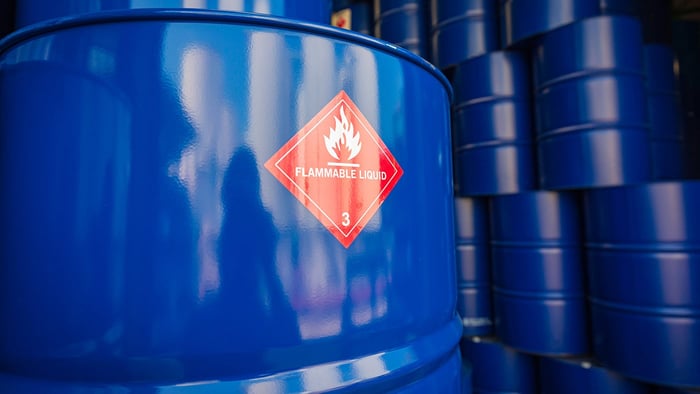
Metal containers, especially drums and cans, are often reconditioned and reused multiple times before they are recycled, which extends their useful life well beyond a single fill. This reuse cycle is a meaningful part of metal's sustainability advantage and is harder to replicate with most single-use plastic packaging.
The Bottom Line
Metal containers generally have the edge on long-term sustainability because of how completely and repeatedly they can be recycled, along with their strong track record for reuse. Plastic can still be the more sustainable choice in specific situations, particularly where weight and shipping emissions are the primary concern. The right answer depends on your product, your shipping profile, and the recycling infrastructure available where your packaging ends up.
FAQs
Is Plastic Ever the More Sustainable Choice?
In some cases, yes. Plastic's lighter weight can reduce fuel use and emissions during shipping, so for products where transportation distance is the biggest environmental factor, plastic can have a smaller footprint in transit.
Do Metal Containers Get Reused Before They're Recycled?
Often, yes. Drums and cans are commonly reconditioned and reused multiple times before eventually being recycled, extending their useful life well beyond a single fill in a way most single-use plastic can't match.
Does Recycling Infrastructure Affect Which Material Is More Sustainable?
Yes, significantly. Steel and aluminum have more established, widespread recycling infrastructure than plastic in many regions, which means metal packaging is more likely to actually get recycled once it's discarded.
How Do Newer Plastics Like Ocean-Bound Plastic Change the Comparison?
Materials like ocean-bound plastic and green polyethylene use recovered or renewable feedstocks, narrowing the sustainability gap between plastic and metal, though metal still generally leads on long-term recyclability.
Does Recycling Metal Require More Energy Than Producing It New?
No, recycling metal, especially aluminum, uses significantly less energy than producing it from raw ore, which is a major reason metal recycling programs are so widespread and cost-effective compared to virgin material production.