262-250-7566
 Request a quote
News & insights.
What we’re learning, what we’re seeing, and the occasional story from the floor: packaging trends, supply-chain notes, and compliance updates we wish we’d known sooner.
Rigid Plastic Packaging Container (RPPC) Law in California

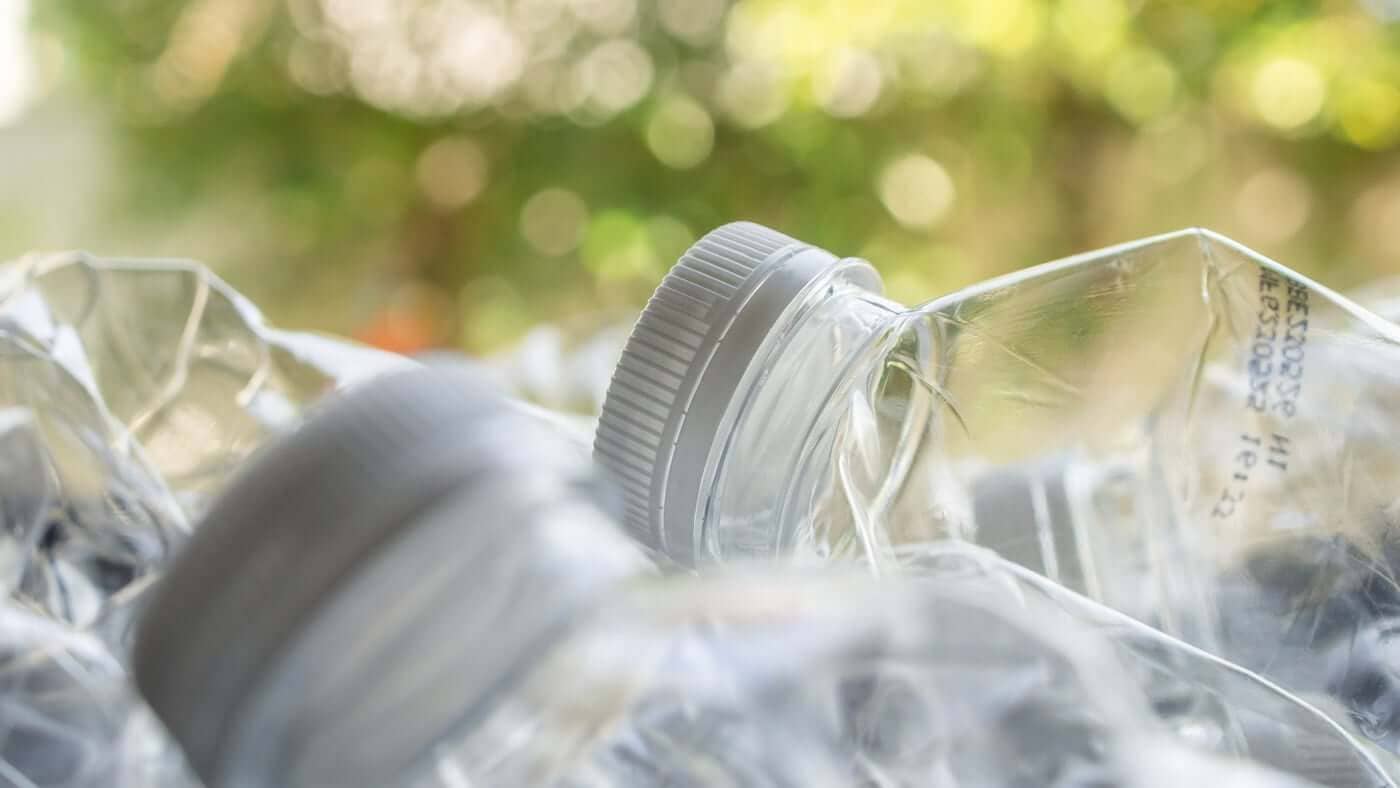
California’s Rigid Plastic Packaging Container (RPPC) law was enacted in 1991 as part of an effort to reduce the amount of plastic waste disposed in California landfills and to increase the use of recycled postconsumer plastic. The law mandates that product manufacturers that sell products held in RPPCs meet one of the compliance options. Selling includes direct sales as well as products offered for sale in California (this includes retail sales, and remote sales through distributors, wholesalers, and the Internet).
What is an RPPC?
It generally means a plastic packaging container that:
- Is made entirely of plastic (except for incidental portions of the packaging).
- Has a relatively inflexible shape or form.
- Has a minimum capacity or volume of eight (8) ounces up to a maximum capacity or volume of five (5) gallons.
- Is capable of at least one closure (including closure during the manufacturing process).
- Holds a product that is sold or offered for sale in California.
RPPCs are not:
- Plastic blister packaging that does not fully enclose the product. (Such as blister covers on fiberboard card stock.)
- Flexible packaging composed entirely of film plastic (as determined by ASTM D 6988:08).
- Any rigid plastic container that is not capable of containing at least 8 fluid ounces as determined by equivalent volume. However, a product manufacturer may include (at their choice) a rigid plastic container that is sold, or offered for sale, containing a liquid product filled with less than eight (8) US fluid ounces as labeled if the bottle has an equivalent capacity over eight 8 US fluid ounces.
- A rigid plastic container sold, or offered for sale, that contains more than five (5) US gallons of a liquid product as labeled. However, a product manufacturer may include (at their choice) a rigid plastic container that is capable of holding more than five (5) US fluid gallons, but is sold, or offered for sale, filled with liquid contents of five (5) US gallons or less as labeled.
- Rigid plastic containers holding products which are sold by weight or count having an equivalent capacity less than eight (8) US fluid ounces or over five (5) US gallons.
Container Compliance Options
The RPPC law provides several compliance options. This provides product manufacturers flexibility to comply with the law in different ways.
Each compliance option has specific requirements that must be met. Refer to the full text of the regulations referenced below. The compliance options include:
- Be made from at least 25 percent Post Consumer Material (PCM).
- Be recycled at a 45 percent recycling rate for: product associated, particular type or a single resin type RPPC. With these RPPC types and rates defined and demonstrated by approved methodologies in the regulation.
- Be “reusable” or “refillable” RPPCs as defined in the regulation.
- Be a “source reduced” RPPC as defined (10%). This option includes both RPPC weight reduction and/or product concentration. Any source reduction achieved by changing the rigid plastic packaging container to a non-rigid plastic container may be credited to other containers as part of the averaging method of compliance described in Section 17944(b).
- A product manufacturer may achieve compliance by averaging as prescribed in the regulation.
- Section 17944.1 also prescribes an “Alternative Container Compliance Method” based on use of PCM sourced from California.
For more detail, please visit https://calrecycle.ca.gov/Plastics/RPPC/Enforcement/Compliance/
Are There Any Exemptions From the Certification Process?
Some products are exempt from compliance, such as:
- RPPC produced in or outside of California that are destined for shipment outside California and which remain with the products upon shipment.
- Food, drugs, cosmetics, baby formula, medical devices.
- A Federal Insecticide, Fungicide, and Rodenticide Act (FIFRA) material.
- A hazardous material subject to US Department of Transportation regulations.
- Exemptions must be claimed as prescribed in Section 17946.5 of the RPPC regulation when a certification notice is received by a Product Manufacturer.
Calculating Compliance
Product manufacturers must calculate their container compliance using the formulas developed by CalRecycle.
For product manufacturers that have several products within RPPCs, compliance may be achieved based on averaging. Averages may be calculated using either data specific to California or nationwide. If averages are used to achieve compliance, all RPPCs must be accounted for in the calculation or achieve compliance through another option.
Averaging can be achieved through the following container compliance options:
- Postconsumer Material Content
- Source Reduction
- Reusable RPPC
- Refillable RPPC
For More Information
For information on plastics, please visit http://www.calrecycle.ca.gov/Plastics/rppc or for answers to frequently asked questions, visit https://calrecycle.ca.gov/Plastics/RPPC/FAQs/
Disclaimer: This information is intended as a summary and should not be misconstrued as Illing Packaging offering legal or regulatory advice. Companies must read and understand the RPPC law in full and take appropriate action. Illing Packaging will work with you to support you and your strategies for compliance.
FAQs
What is an RPPC?
An RPPC is a rigid plastic packaging container that's made entirely of plastic, has an inflexible shape, holds 8 ounces to 5 gallons, has at least one closure, and is sold or offered for sale in California.
What are the compliance options for RPPCs?
Compliance options include using at least 25% post-consumer material, meeting a 45% recycling rate, being reusable or refillable, being source reduced by 10%, or achieving compliance through averaging.
Are any products exempt from RPPC certification?
Yes, exemptions include RPPCs shipped outside California, food, drugs, cosmetics, baby formula, and medical devices, as well as materials regulated under FIFRA or US Department of Transportation rules.
How do manufacturers calculate RPPC compliance?
Manufacturers use formulas developed by CalRecycle and may average compliance across multiple products using either California-specific or nationwide data.
Where can I find more information about the RPPC law?
More information, including a dedicated FAQ page, is available directly on CalRecycle's website.