262-250-7566
 Request a quote
News & insights.
What we’re learning, what we’re seeing, and the occasional story from the floor: packaging trends, supply-chain notes, and compliance updates we wish we’d known sooner.
Packaging Supply Chain Risk: What to Know

Table of Contents
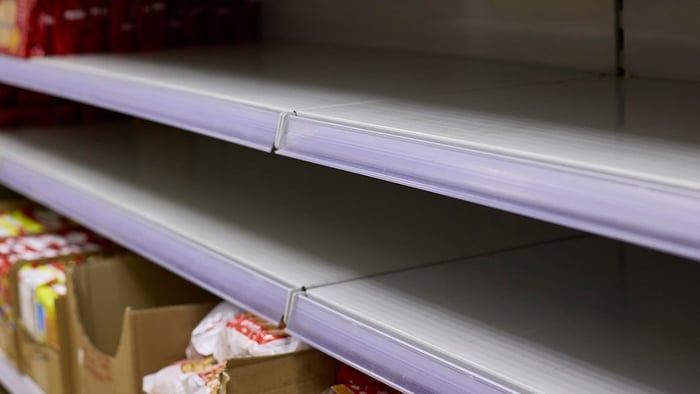
Most companies map their supply chain risk around the things that feel expensive or strategic: raw materials, key components, critical suppliers. Packaging rarely makes the list, because it's cheap relative to the product and easy to think of as a commodity you can always get. That assumption is exactly what makes packaging a supply chain risk hiding in plain sight. When the containers don't show up, the line stops just as surely as if a critical component were missing, and the company that never thought of packaging as a risk is the one least prepared when it becomes one.
This guide explains the packaging supply chain risk most companies underestimate: why packaging can halt production like any other input, where the hidden exposures live, and how to manage the risk deliberately rather than discovering it during a disruption. If you make or move physical product, this is worth thinking through before the next shortage tests you. For broader context on packaging as a strategic decision, start with our Complete Guide to Rigid Packaging.
The Asymmetry That Makes Packaging Risky
The core of the risk is an asymmetry: packaging is a small fraction of your product's cost, but a missing container can stop the entire operation. That mismatch between cost and consequence is what makes the risk so easy to underrate and so damaging when it lands.
Think about what happens when the containers aren't there. You can have product ready to ship, demand waiting to be filled, and a fully staffed line, and none of it matters if there's nothing to put the product in. The packaging, which might be a few percent of the total cost, becomes the single point of failure for the whole operation. A company that would never single-source a critical component without a backup plan will often single-source its packaging without a second thought, precisely because it seems too minor to worry about.
This is the trap. The low cost of packaging makes it feel low-risk, when in reality its position in the process, the last step before product can ship or the first step in production, makes it high-consequence. Recognizing that asymmetry is the first step to managing the risk.
Where the Hidden Exposures Live
Packaging supply risk shows up through several distinct exposures, most of which stay invisible until one of them materializes. Here are the main ones.
| Exposure | What It Looks Like |
|---|---|
| Single-source dependency | One supplier, one manufacturer, no backup if they fail |
| Long lead times | Weeks of lead time leave no room to react to a shortfall |
| Material and resin shortages | Upstream resin or material allocation limits supply |
| Logistics and freight disruption | Transport delays push back inbound containers |
| Supplier instability | Financial or operational problems at the supplier |
| Thin inventory | No buffer to absorb a gap between order and delivery |
Single-Source Dependency
The most common exposure is relying on a single source for a critical container with no backup. If that source goes on allocation, has a quality problem, or simply can't keep up, you have no alternative, and the time to find one is exactly when you can least afford the delay. Single-source dependency concentrates the entire risk in one place.
Long Lead Times
When a container carries weeks of lead time, any disruption immediately becomes a problem, because there's no time to react. A shortfall discovered today can't be solved by an order that takes six weeks to arrive. Long lead times turn small disruptions into production stoppages.
Upstream Material Risk
Packaging depends on raw materials, resins, metals, and others, that have their own supply dynamics. When an upstream material goes short or on allocation, it can constrain packaging supply regardless of how reliable your direct supplier is. This exposure is invisible until it isn't.
Supplier Stability
A packaging supplier's own financial and operational health is a risk you inherit. A supplier under financial strain, going through ownership changes, or struggling operationally can become unreliable with little warning, and a category many companies treat as low-attention is exactly where that instability goes unnoticed until it bites.
Why This Risk Is Growing
This risk isn't static, and several trends have made it more pronounced rather than less.
The past several years demonstrated how fragile supply chains can be, with disruptions cascading through materials, manufacturing, and logistics in ways few had planned for. Packaging was caught up in all of it, and companies that had treated packaging supply as a given found out otherwise. That experience should have recalibrated how seriously the risk is taken.
At the same time, consolidation in the packaging industry has changed the supplier landscape. As private-equity-backed players acquire and combine suppliers, relationships and service models can shift, and the local, relationship-driven supplier a company relied on for years can become part of a larger entity with different priorities. This consolidation adds a layer of supplier-stability and continuity risk that wasn't as present before, a dynamic we explore further in our guide to Manufacturer's Representative vs. Distributor. The result is that managing packaging supply risk deliberately matters more now than it did a decade ago.
How to Manage Packaging Supply Chain Risk
The good news is that this risk is manageable with the same discipline applied to any other supply risk, once you decide to take it seriously. The strategies are straightforward.
Build in sourcing flexibility. The antidote to single-source dependency is having alternatives. A supplier with relationships across many manufacturers can shift sources when one runs short, which means your supply doesn't depend on any single point. This sourcing depth is one of the most effective protections against disruption.
Hold a buffer through stocking agreements. Inventory held on your behalf, through a stocking agreement, absorbs the gap between a disruption and its resolution. When a shortfall hits, the company with a buffer keeps running while the company without one waits. Our guide to Packaging Stocking Agreements covers how this works in detail.
Shorten your effective lead time. Stocking agreements and inventory depth convert long manufacturing lead times into short, on-demand availability, which removes the exposure that long lead times create.
Choose a stable, accountable supplier. Supplier stability is a risk you can manage through your choice of partner. A financially stable, established supplier with a track record of consistency and accountability is a lower-risk partner than one whose continuity is uncertain. This is where ownership and longevity become risk factors worth weighing.
Price the risk into the decision. Finally, evaluate packaging on total cost rather than unit price, because the cheapest supplier on unit price is often the riskiest on supply. Our guide to Total Cost of Ownership in Packaging covers how to weigh supply risk against unit cost.
Applied together, these strategies turn packaging from an unmanaged risk into a managed one, which is the entire goal.
Where ILLING Fits In
Packaging supply chain risk is, in many ways, the risk ILLING exists to manage for our customers. The combination of sourcing flexibility, inventory depth, and stability that mitigates this risk is exactly what we've built over nearly 100 years.
Our relationships across hundreds of manufacturers give us the sourcing flexibility to keep customers supplied when a single source runs short, which directly addresses single-source dependency and upstream material risk. Our approximately 500,000 square feet of warehouse inventory and our stocking agreements provide the buffer that absorbs disruptions and shortens effective lead times. And our stability is structural: we're family-owned, not private-equity-backed, not for sale, and built for continuity rather than the next ownership transition. For a company weighing supplier-stability risk, that permanence is the point. We're the supplier whose own continuity you don't have to worry about.
If packaging has been a blind spot in how you think about supply chain risk, or if a past disruption taught you it shouldn't be, we'd welcome the chance to talk through how to manage that exposure.
For related guidance, see our guide to Packaging Stocking Agreements, our guide to Total Cost of Ownership in Packaging, and What Is a Manufacturer's Representative.
FAQs
Why is packaging a supply chain risk?
Packaging is a supply chain risk because of an asymmetry: it's a small fraction of a product's cost but a missing container can stop the entire operation. You can have product ready, demand waiting, and a staffed line, and none of it matters if there's nothing to put the product in. Because packaging is cheap relative to the product, companies tend to treat it as a low-risk commodity and often single-source it without a backup plan, which concentrates the risk. But its position in the process, the last step before product ships, makes it high-consequence. Recognizing that the low cost masks a high potential impact is the first step to managing packaging as the supply risk it actually is.
What are the main packaging supply chain risks?
The main exposures are single-source dependency, where one supplier with no backup leaves you stranded if they fail; long lead times, where weeks of lead time leave no room to react to a shortfall; upstream material and resin shortages that constrain supply regardless of your direct supplier; logistics and freight disruptions that delay inbound containers; supplier instability, including financial or ownership problems; and thin inventory that provides no buffer between order and delivery. Most of these stay invisible until one materializes, which is part of why packaging supply risk is so commonly underestimated. Managing it means addressing each exposure deliberately rather than assuming packaging supply will always be there.
How can I reduce packaging supply chain risk?
You reduce this risk with the same discipline applied to any supply risk. Build in sourcing flexibility so you're not dependent on a single source, ideally through a supplier with relationships across many manufacturers. Hold a buffer through a stocking agreement, so inventory absorbs the gap when a disruption hits. Shorten your effective lead time by converting long manufacturing lead times into on-demand availability through held inventory. Choose a stable, accountable supplier whose own continuity you don't have to worry about. And evaluate packaging on total cost rather than unit price, since the cheapest supplier is often the riskiest on supply. Applied together, these turn packaging from an unmanaged risk into a managed one.
Has packaging supply risk gotten worse?
In several ways, yes. The supply chain disruptions of recent years demonstrated how fragile supply chains can be, with problems cascading through materials, manufacturing, and logistics, and packaging was caught up in all of it. Companies that had treated packaging supply as a given learned otherwise. At the same time, consolidation in the packaging industry, with private-equity-backed players acquiring and combining suppliers, has added supplier-stability and continuity risk, as long-standing relationships and service models shift under new ownership. Together these trends mean managing packaging supply risk deliberately matters more now than it did a decade ago, rather than being a concern companies can safely continue to overlook.
Does single-sourcing packaging increase risk?
Yes, single-sourcing a critical container significantly increases supply risk, because it concentrates the entire exposure in one place with no alternative. If that single source goes on allocation, has a quality problem, faces a material shortage, or simply can't keep up, you have no backup, and the time required to qualify and source from an alternative is exactly when a disruption hurts most. The same companies that would never single-source a critical component without a contingency plan often single-source packaging because it seems too minor to warrant one. The protection is sourcing flexibility, whether through a supplier with multiple manufacturer relationships or a deliberate dual-sourcing strategy, so a single failure doesn't stop your operation.